
Massage for better sleep: what the evidence says
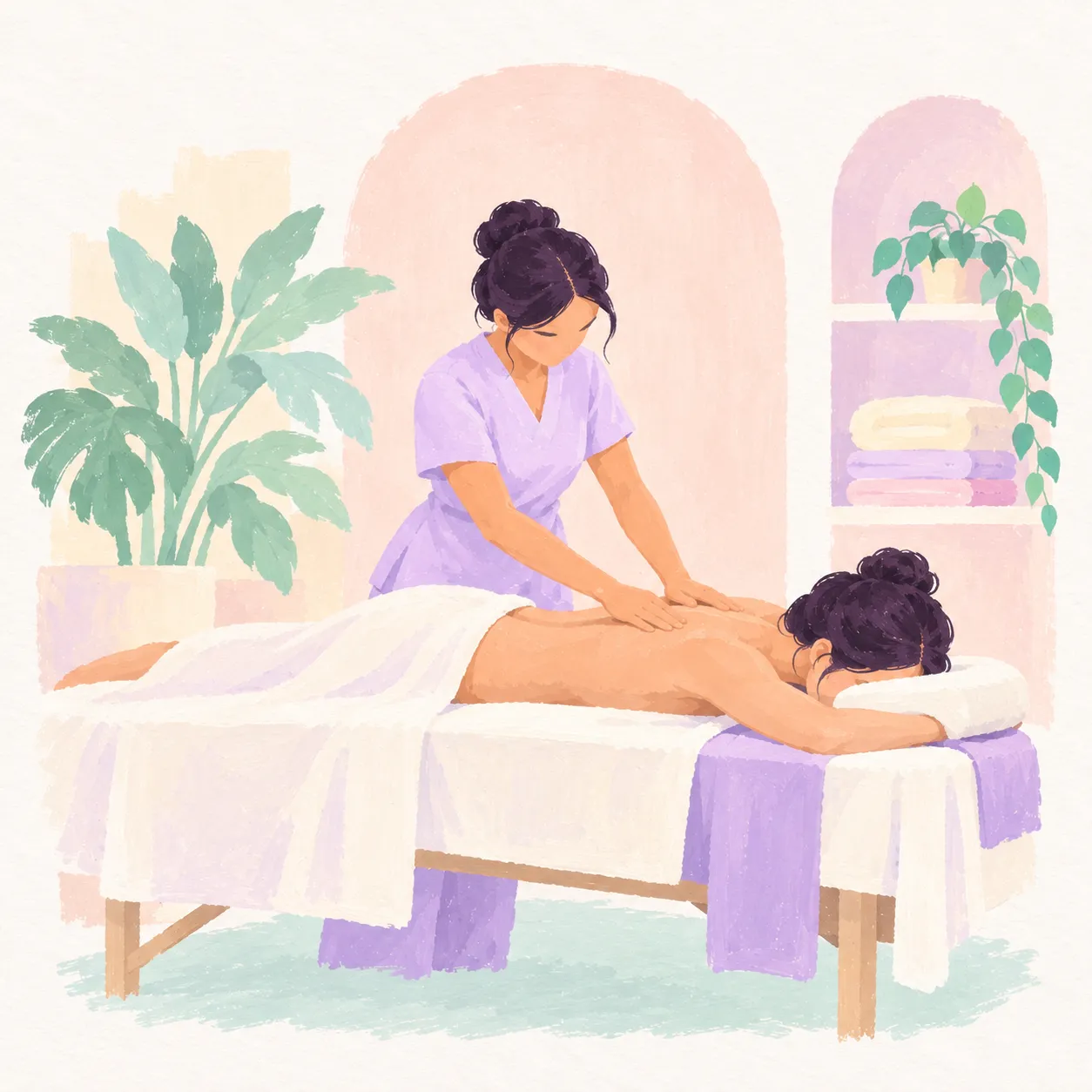
A bad week of sleep makes everything else worse — focus, mood, training, patience. Massage is often suggested as a sleep aid, so it is worth separating what trials actually measured from what a relaxing hour simply feels like.
What the research actually shows
The evidence picture is cautious but not empty. A systematic review of nonpharmacological sleep interventions in critically ill patients found massage-based approaches among the measures associated with better sleep, alongside standard sleep-promotion practices. And in a trial of adults with fibromyalgia, reported sleep improved alongside reductions in pain and substance P after a course of massage sessions.
The U.S. NCCIH massage overview is a fair summary of the field: massage shows evidence for short-term relaxation and some symptom relief, while many popular claims remain unproven. Sleep benefits reported in trials are modest and often measured over weeks of sessions, not after one appointment.
Why it may help at all
- Wind-down signal. A scheduled, screen-free hour in the evening gives your body a clear cue that the day is ending — something most sleep routines are missing.
- Muscle tension drops. Loosening a stiff neck, shoulders, and back makes it easier to get comfortable enough to fall asleep.
- Pain interferes less. Where pain is what keeps you awake, reducing it (as the fibromyalgia trial measured) removes one obstacle to sleep.
- Stress and arousal come down. The relaxation response overlaps with what sleep researchers call lower pre-sleep arousal — being calm enough to actually drift off.
How to use a session as part of a wind-down
- Book earlier in the evening, not right before bed, so you are not rushing home wired.
- Choose a calm, flowing style — a Swedish massage suits relaxation better than deep work.
- Keep the rest of the evening quiet: low light, no alcohol to “help” sleep, no doom-scrolling.
- Repeat it. Trials generally measure a series of sessions — treat massage as a routine, not a one-off fix.
Foot-focused options can fit the same slot if you dislike full-body work. See what reflexology involves and decide whether it appeals.
The bottom line
Massage will not replace sleep hygiene, consistent hours, or treatment for a real sleep disorder — but the trials that exist show modest, real sleep benefits in several groups, and a calm evening session is a low-risk way to signal to your body that the day is over. Book it, then protect the hours that follow it.