Deep tissue vs sports massage: what's the difference?
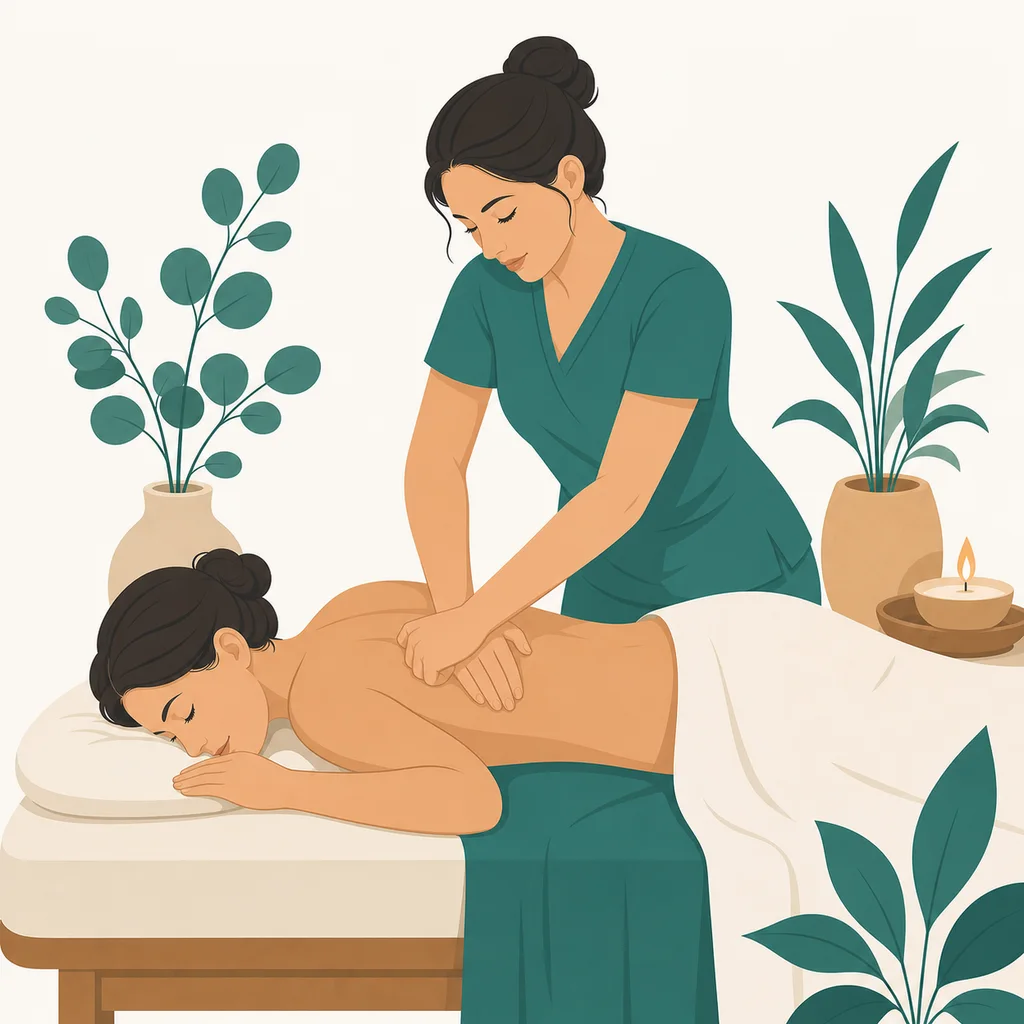
Deep tissue and sports massage both use firm pressure, which is why they are so often confused. But they are designed around different goals — one targets long-held tension, the other is built around how you move and train.
What is deep tissue massage?
Deep tissue massage generally uses slower, focused work and sustained pressure. Clients often choose it for a sense of persistent muscular tightness, but phrases such as “breaking up adhesions” can overstate what hands-on treatment has been shown to do. Explore deep tissue massage if you carry persistent tension in your back, neck, or shoulders.
What is sports massage?
Sports massage is organized around a person’s activity and timing. It may blend compression, movement, stretching, and focused pressure before or after training. A systematic review of 114 articles found little direct effect on motor performance apart from flexibility, although studies often reported lower soreness and better perceived recovery. Book a sports massage when your focus is performance and keeping your body resilient through a training block.
The key differences
| Compare | Deep tissue | Sports massage |
|---|---|---|
| Primary frame | Persistent tension and pressure preference | Training, event, or recovery goal |
| Common methods | Slow, focused pressure | A variable mix of pressure, movement, and stretching |
| Timing | Whenever appropriate for the client | Often planned around activity |
| Evidence boundary | May offer short-term symptom relief | May reduce soreness; direct performance gains are uncertain |
- Goal: deep tissue releases chronic tension; sports massage supports athletic performance and recovery.
- Technique: deep tissue is slow and focused; sports massage mixes in stretching, mobilisation, and faster work.
- Timing: deep tissue timing depends on health, comfort, and goals; sports massage is often scheduled around events and workouts.
Which should you book?
If you sit at a desk and feel knotted up, deep tissue is likely your match. If you train regularly and want the session shaped around training, sports massage is the clearer label. A separate meta-analysis of 11 trial articles found reduced delayed-onset muscle soreness after hard exercise, but that does not prove injury prevention or faster tissue healing. For a specific injury or a symptom that will not settle, a remedial massage with an assessment-led approach may offer a more tailored session, but seek a licensed healthcare professional for diagnosis, acute injury, weakness, numbness, marked swelling, or severe pain. When in doubt, describe your routine, health history, and goal before choosing.