Massage benefits: what the evidence actually says
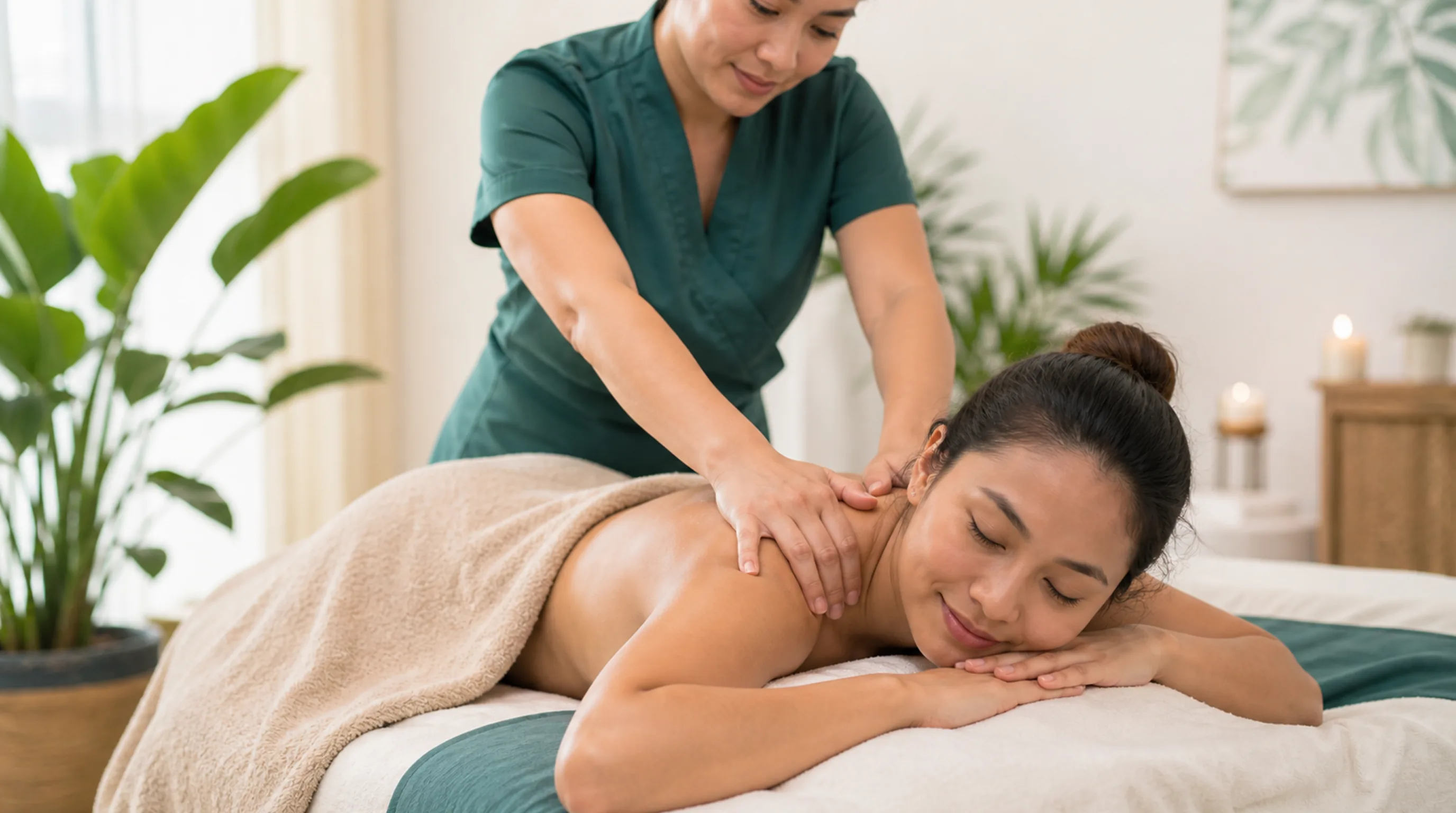
Massage can feel restorative, but common claims about hormones, immunity, detoxification, and disease prevention often run ahead of the research. Here is the more useful version: where evidence points to a possible benefit, how certain it is, and what massage cannot do.
1. Short-term relief for some kinds of pain
The NCCIH evidence summary reports possible short-term benefit for neck and shoulder pain and some other pain conditions, while describing the evidence for low-back pain as weak or low quality. That supports a cautious “may help”—not a promise to fix chronic pain.
2. Less perceived muscle tension
Many clients report feeling looser after manual pressure and movement. A focused deep tissue massage may be comfortable for persistent tightness, but deeper pressure is not automatically more effective and can be inappropriate for some people. Pressure should remain within your comfort and risk profile.
3. Reduced soreness after hard exercise
A systematic review of 11 randomized-trial articles found lower delayed-onset muscle soreness after strenuous exercise. A later broad sports review found little direct effect on most performance measures, so recovery comfort and performance gains should not be treated as the same claim.
4. A short-term relaxation response
Quiet, supportive touch may reduce perceived stress or anxiety for some people. A 2026 systematic review of manual therapies reported improvements across several outcomes but called the evidence preliminary and recommended massage only as an adjunct aligned with patient preferences. Read the review abstract on PubMed.
5. Possible sleep improvement in some groups
Some trials and pooled analyses report improved sleep scores, but study populations, techniques, and comparison groups differ. It is safer to see relaxation massage as one possible wind-down tool—not a treatment for insomnia or sleep apnoea. Persistent sleep problems deserve clinical assessment.
6. Time set aside for body awareness
A session gives you a structured chance to notice pressure sensitivity, recurring tension, or movements that feel restricted. That observation can be useful, but a massage therapist should not diagnose an injury. New weakness, numbness, severe pain, swelling, or symptoms after trauma call for a health professional.
7. A repeatable relaxation ritual
If massage helps you relax and fits your budget, a recurring Swedish massage can be a pleasant routine. That is a personal benefit, not evidence that everyone needs a fixed schedule or that effects accumulate indefinitely.
How often is “regular”?
Research does not establish one maintenance interval for healthy adults. Choose frequency based on your goal, response, cost, and clinician advice if a health condition is involved. NCCIH advises asking about training, experience, expected number of sessions, and cost, and warns against using massage to postpone medical care.